Blog
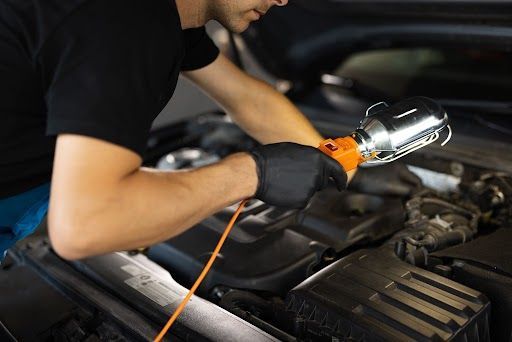
Auto AC repair in Billings, MT from Autosport Billings. Learn common AC problems, transmission warning signs worth a full inspection, and domestic auto care. Call (406) 200-9400.
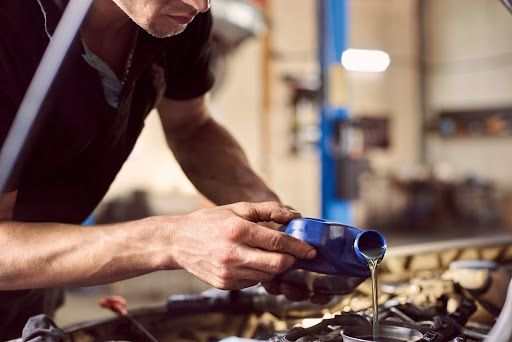
Autosport Billings offers oil change service in Billings, MT with manufacturer-recommended oil, diagnostic evaluations, and carbon cleaning guidance for European engines.
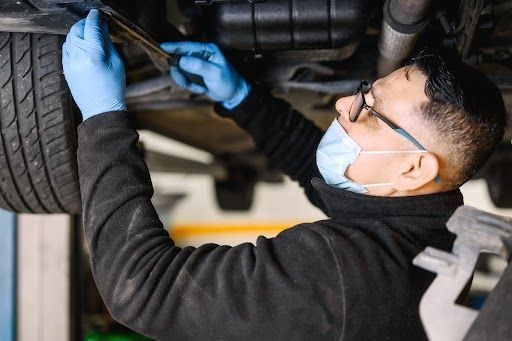
Brake Repair Billings, MT drivers trust Autosport Billings for worn brake pad replacement, suspension repairs, and wheel alignment checks. Call (406) 200-9400.

European Auto Repair Billings, MT drivers trust for BMW and Mercedes-Benz. Autosport Billings offers specialized diagnostics, factory maintenance, oil changes. Call (406) 200-9400.

Autosport Billings is a full-service auto repair shop in Billings, MT, serving European and domestic vehicles with factory scheduled maintenance. Call (406) 200-9400.
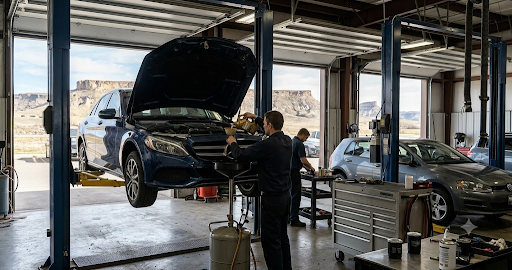
Oil change service in Billings, MT for European cars. Manufacturer-approved oils & expert care at Autosport Billings. Call (406) 200-9400 to book today.
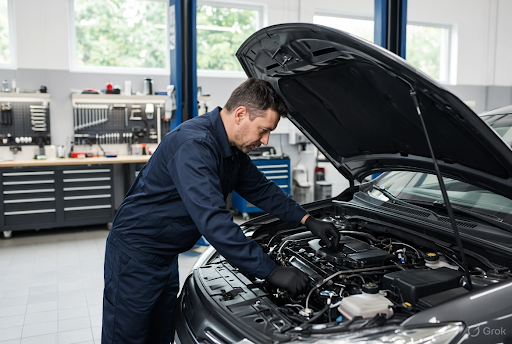
Domestic auto care in Billings, MT: learn common car problems & how to prevent them. Trust Autosport Billings for expert service. Call (406) 200-9400.
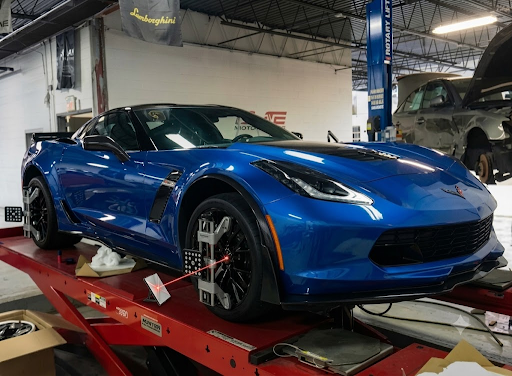
Choosing the right auto repair shop in Billings, MT protects your vehicle. Trust Autosport Billings for honest, expert service. Call (406) 200-9400 today.
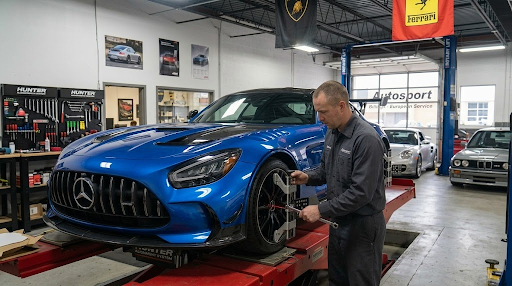
European Auto Repair Billings MT: The Complete Guide to Keeping Your Luxury Vehicle Running Smoothly
Expert European auto repair in Billings, MT for BMW, Mercedes-Benz, Audi & Porsche. Dealer-level diagnostics you can trust. Call (406) 200-9400.
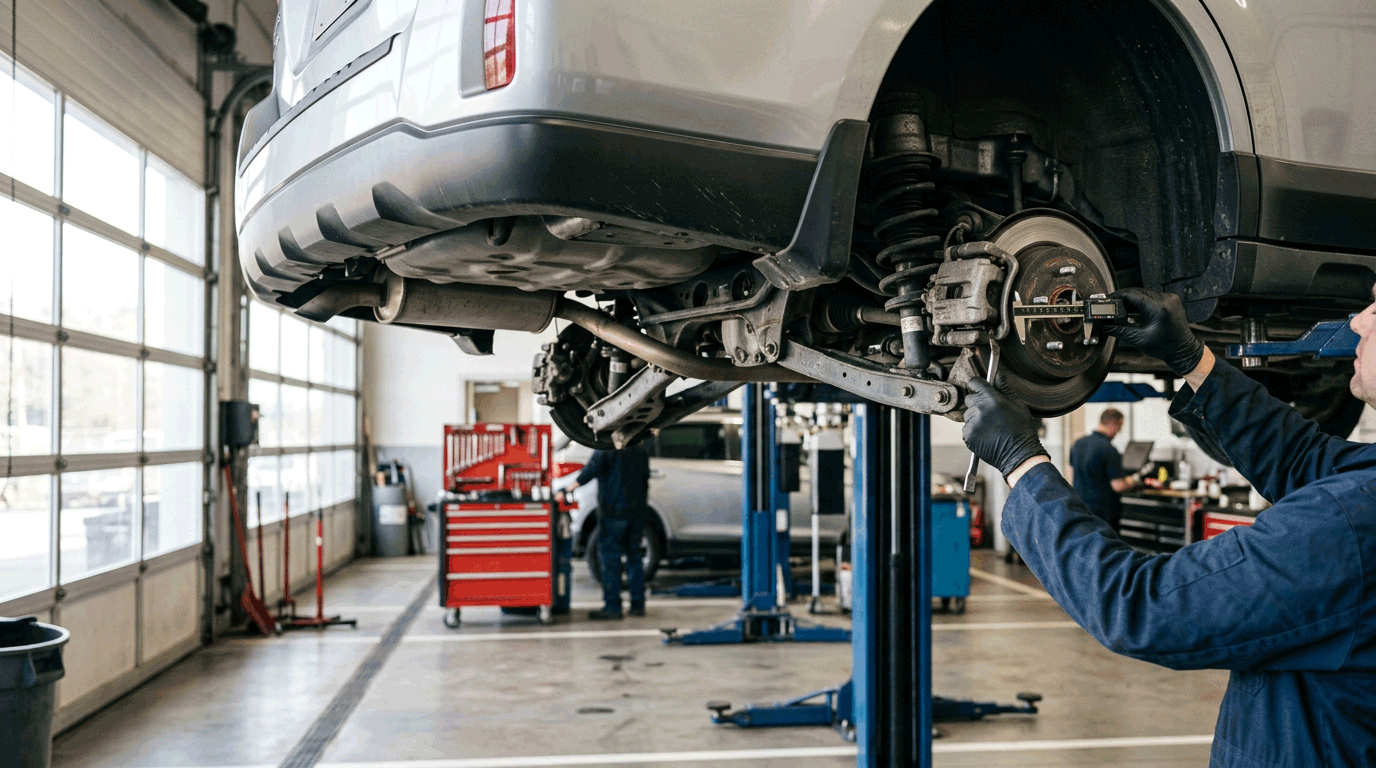
As autumn arrives across Yellowstone County, drivers in Billings face a distinct shift in road conditions. Dropping overnight temperatures, early morning frost, and uneven asphalt create significant mechanical stress on your vehicle's undercarriage. If you notice steering drift, unusual thuds over bumps, or uneven tire wear, addressing suspension issues early prevents severe handling hazards before snow and ice cover the roads. Executive Summary: Driving across Montana during seasonal transitions exposes vehicle suspensions to severe freeze-thaw cycles, rough pavement, and gravel washboards. Timely suspension inspection and repair in Billings ensures responsive handling, prevents premature tire degradation, and maintains braking stability on slippery roadways. Autosport Billings provides comprehensive steering, suspension, and factory maintenance services for both European and domestic vehicles. Key Questions Answered What does a vehicle suspension system do? It connects the wheels to the chassis, absorbing road shocks, maintaining tire contact with the pavement, and providing stability during steering and braking. Why is fall the critical window for suspension repair in Billings? Cold temperatures stiffen rubber bushings while freeze-thaw pavement creates potholes that accelerate joint wear before winter storms hit. Can worn shocks or struts increase braking distances? Yes, degraded dampening allows excessive front-end dive during sudden stops, reducing rear tire traction and extending stopping distances significantly. Key Takeaways for Montana Drivers Suspension wear happens gradually; drivers often adapt to loose handling without noticing compromised safety margins. Montana's freeze-thaw cycles and rural gravel roads dramatically accelerate ball joint, strut, and control arm bushing wear. A thorough pre-winter chassis inspection identifies loose tie rods and worn shocks before freezing temperatures create dangerous handling issues. The Mechanics of Vehicle Suspension in Northern Climates Your vehicle's suspension system is an intricate network of springs, shock absorbers, struts, control arms, ball joints, and sway bar linkages. Together, these components manage two critical jobs: absorbing kinetic energy from uneven road surfaces and keeping all four tires firmly planted against the asphalt. In climates with mild year-round weather, these components experience standard wear over tens of thousands of miles. However, driving in Montana introduces environmental extremes that demand much more from your chassis. During the transition from late summer to late autumn, temperature fluctuations cause metal components to contract and rubber bushings to harden. Rubber boots protecting delicate ball joints and tie rod ends can crack, allowing road grime, sand, and early season de-icing moisture to penetrate internal bearings. When grease escapes and abrasive debris enters, joint degradation accelerates exponentially. According to regional automotive maintenance insights from UCDI Garage, pre-winter inspections are essential because sub-zero conditions exacerbate existing chassis weaknesses, while mountain driving and rough surfaces place sustained mechanical loads on steering linkages. Recognizing the Warning Signs of Worn Suspension Components Because suspension degradation occurs gradually over time, many motorists unknowingly compensate for diminished steering response and ride comfort. Being mindful of subtle performance changes can help you catch small issues before they escalate into costly repairs or roadside breakdowns.