Factory Scheduled Maintenance: What It Covers and Why
Factory scheduled maintenance is the service plan built by your vehicle's manufacturer, designed around the exact engineering of your car rather than a generic time frame. It covers specific inspections, fluid changes, and part replacements at set mileage intervals to keep every system working the way it was designed. Skipping or delaying this schedule is one of the fastest ways to turn a small issue into a major repair.
What Is Factory Scheduled Maintenance?
Factory scheduled maintenance is a service timeline created by the vehicle manufacturer, not a general recommendation pulled from industry averages. Each automaker, whether it is BMW, Mercedes-Benz, Audi, Porsche, or Volkswagen, tests their vehicles extensively and determines exactly when certain parts need attention based on real engineering data.
This is different from a shop simply suggesting an oil change every few months. Factory schedules account for how the engine, transmission, cooling system, and electronics all work together. A manufacturer knows when a timing belt is likely to wear, when transmission fluid starts to break down, and when brake components typically need inspection based on the specific materials and design of that model.
Following this schedule means your vehicle gets exactly what it needs, at the point it actually needs it, rather than a one-size-fits-all approach that treats every car the same.
Why Does Factory Scheduled Maintenance Matter So Much?
Factory scheduled maintenance matters because it protects the way your vehicle was engineered to perform, not just how it currently feels to drive. A car can seem perfectly fine right up until a neglected service turns into an expensive failure.
Modern vehicles are built as interconnected systems. A worn serpentine belt does not just affect one component. It can impact the alternator, power steering, and air conditioning all at once if it fails while driving. A missed transmission fluid service does not cause a problem overnight, but the fluid gradually breaks down and loses its ability to protect internal components, leading to shifting issues that show up months later.
There is also a financial side to this that many drivers overlook. Catching a small issue during a scheduled inspection, like a worn belt or a fluid that is starting to break down, costs far less than replacing a part after it fails completely. A stretched maintenance interval might save a driver a little time now, but it often leads to a much larger bill later.
For vehicles here in Billings, seasonal temperature swings add another layer to this. Cold winters and hot summers put extra strain on rubber components, belts, and fluids. A factory schedule accounts for wear under normal conditions, so staying on top of it becomes even more important in a climate that pushes those parts harder than average.
What Does Factory Scheduled Maintenance Actually Cover?
Factory scheduled maintenance typically covers fluid changes, filter replacements, brake inspections, and a full check of belts, hoses, and the battery, all tied to specific mileage markers. The exact services vary by manufacturer and model, but most schedules follow a similar pattern as mileage increases.
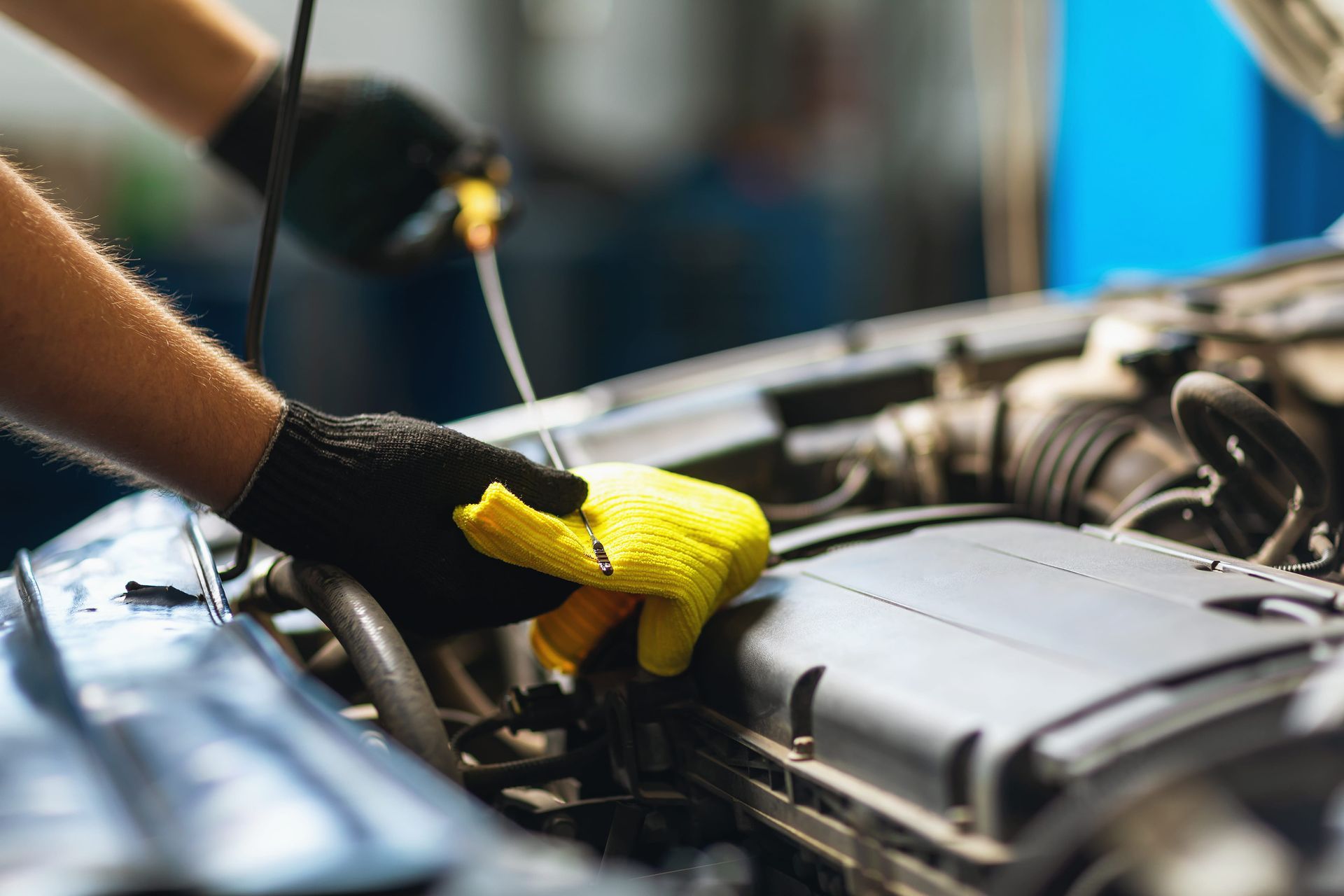
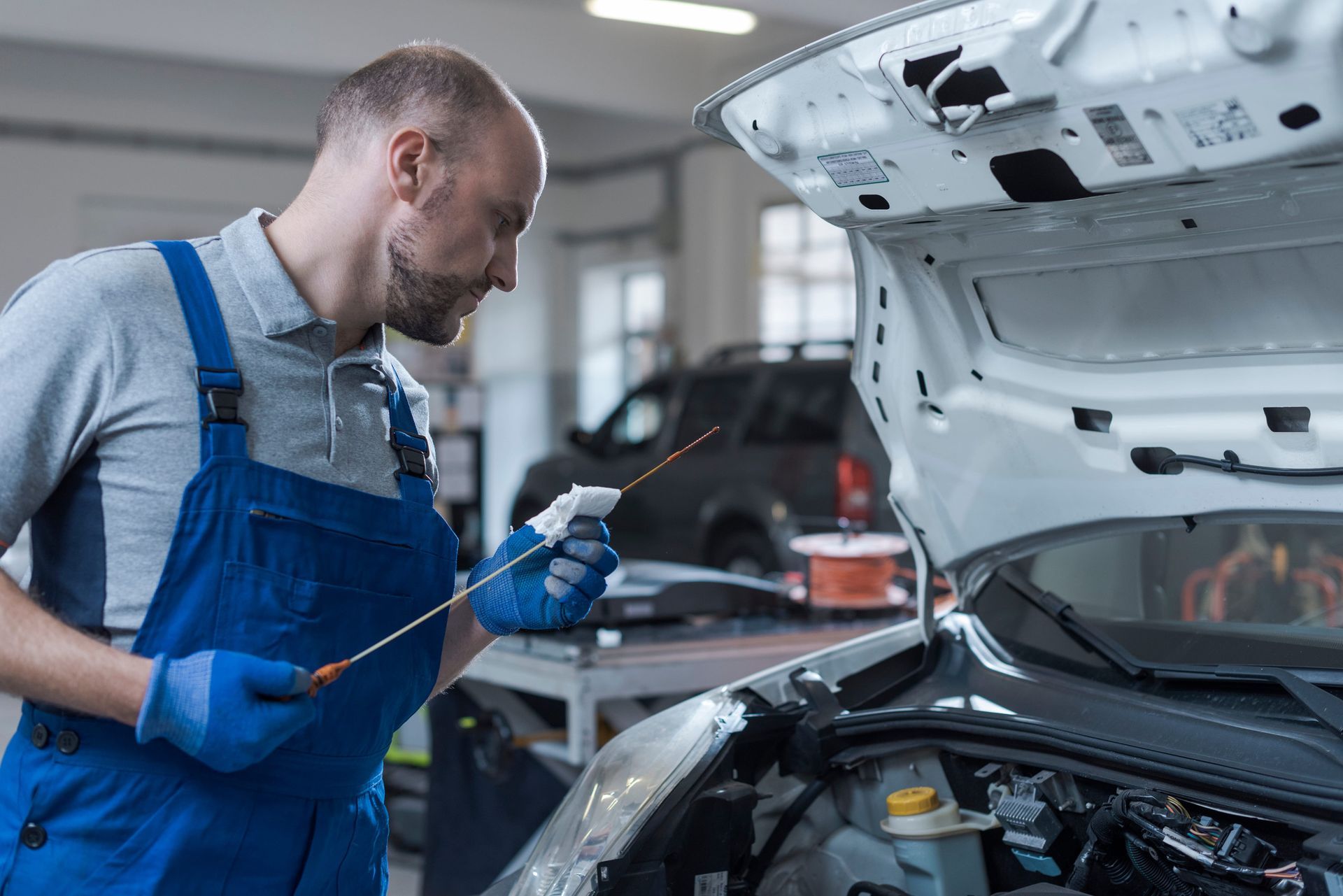
Oil and filter changes are the most frequent service, and for European vehicles, this usually means full synthetic oil that meets a specific manufacturer approval rating rather than a generic viscosity grade. Fluid checks extend beyond oil too. Coolant, brake fluid, power steering fluid, and transmission fluid all have their own replacement intervals based on how quickly they break down under normal driving conditions.
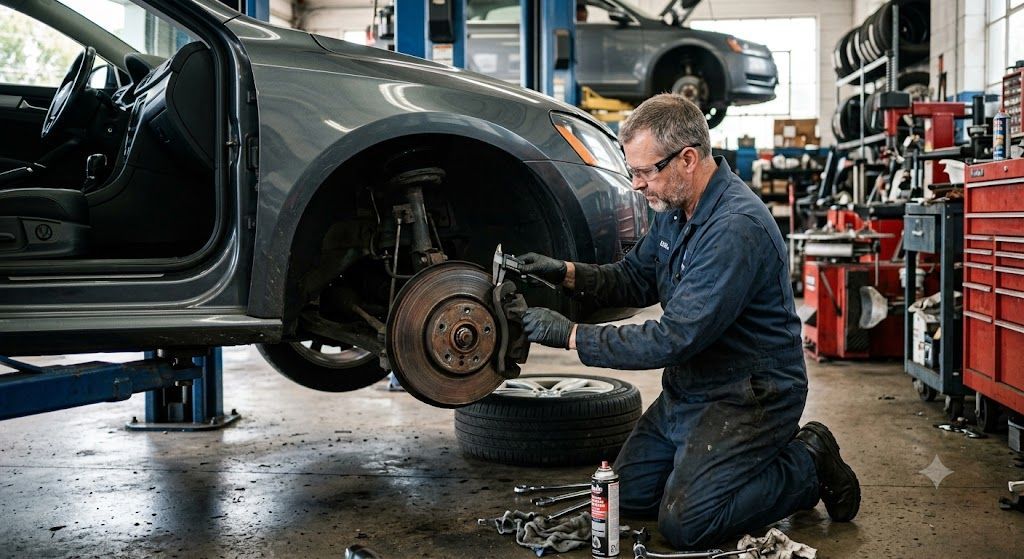
Brake inspections are built into most schedules even when the brakes seem to be working fine. Pads wear unevenly depending on driving habits, and a scheduled check catches thinning pads or early rotor wear before it turns into a bigger repair.
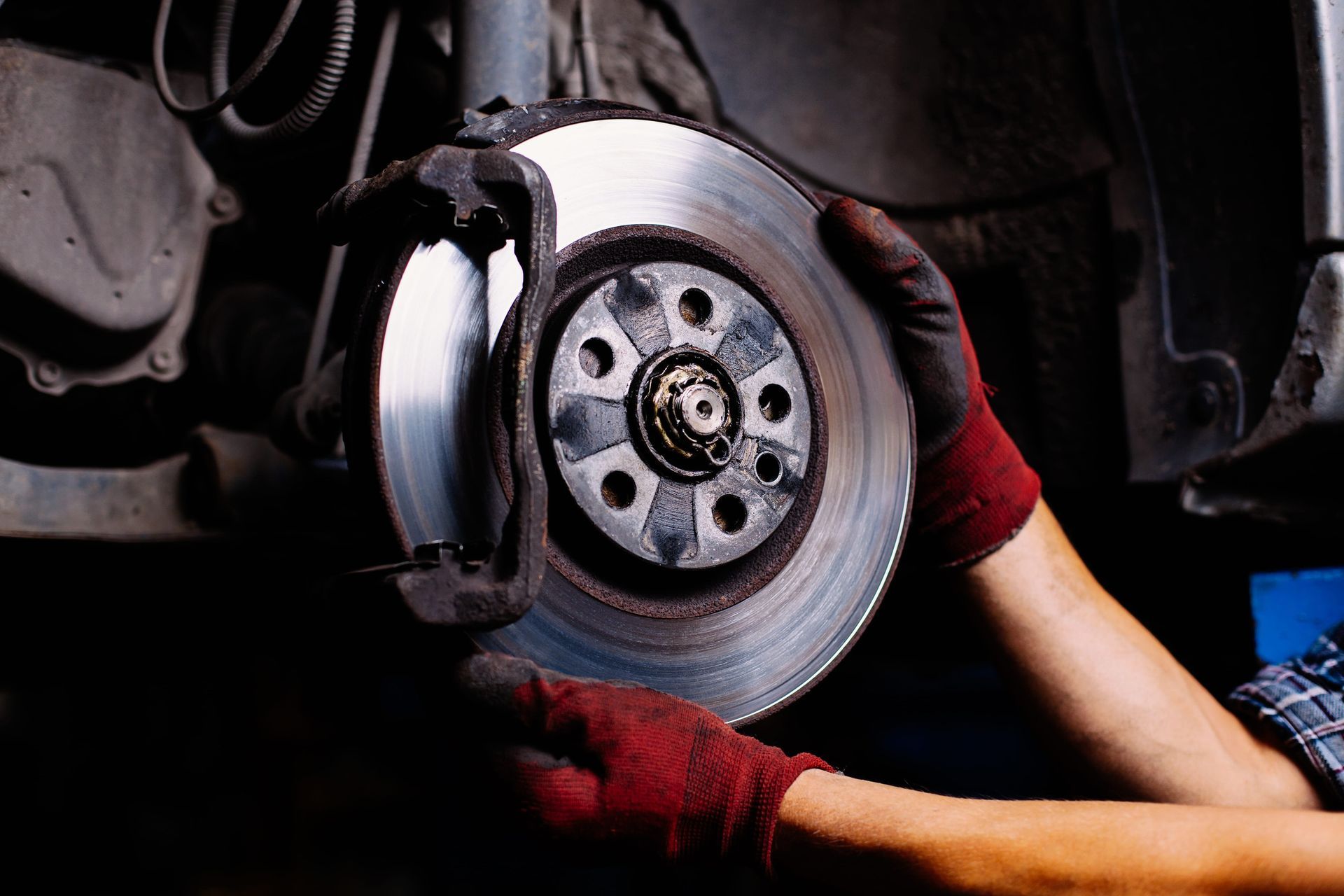
This ties closely into Brake Repair, since many brake issues are first identified during a routine maintenance visit rather than after a warning sign appears.
Battery testing is another piece that often gets overlooked. Batteries lose capacity gradually, and a battery that tests weak during a scheduled inspection can be replaced before it leaves someone stranded. Belt and hose inspections round out most service intervals, checking for cracking, fraying, or soft spots that indicate a component is nearing the end of its lifespan.
How Often Should You Follow the Maintenance Schedule?
Most manufacturers set factory maintenance intervals around specific mileage points, commonly every 5,000 to 10,000 miles depending on the service type and vehicle model. Some services happen at every visit, like oil changes, while others like transmission fluid or spark plug replacement happen at much longer intervals.
The mileage numbers matter, but so does paying attention to how a vehicle is actually driven. A car used mostly for short trips around town experiences more wear on certain components than one driven primarily on the highway, since the engine rarely reaches full operating temperature during short drives. This is one reason why sticking to the manufacturer's guidance, rather than estimating based on how the car feels, produces better long-term results.
It helps to think of the schedule less as a suggestion and more as a built-in warranty on performance.
Manufacturers design these intervals based on how their vehicles hold up under real-world testing, so following them closely gives a car the best chance of reaching high mileage without major issues.
What Happens If You Skip Scheduled Maintenance?
Skipping factory scheduled maintenance allows small issues to develop into larger mechanical failures, often costing significantly more to repair than the original service would have. This is especially true for European vehicles, where components are engineered to tighter tolerances and have less room for delayed attention.
A missed timing belt replacement is one of the more serious examples. On many European engines, a timing belt failure while the engine is running can cause the pistons to strike the valves, resulting in extensive engine damage. What would have been a routine, planned replacement becomes one of the most expensive repairs a vehicle can need.
Fluid neglect causes slower, quieter damage that adds up over time. Old transmission fluid loses its ability to lubricate and cool internal components, leading to premature wear on gears and clutches. Old coolant loses its ability to protect against corrosion, which can damage the radiator and other cooling system parts from the inside out. None of this happens overnight, which is exactly why it is easy to ignore until the repair bill arrives.
Vehicle Maintenance built around the manufacturer's actual schedule is designed to catch these issues while they are still small, inexpensive fixes rather than major failures.
Does Factory Scheduled Maintenance Differ Between European and Domestic Vehicles?
European vehicles generally follow stricter, more detailed maintenance schedules than domestic vehicles due to their more complex engineering and tighter performance tolerances. Brands like Audi, BMW, Mercedes-Benz, Porsche, and Volkswagen often require specific fluids, filters, and inspection procedures that differ from what a domestic vehicle needs.
This does not mean domestic vehicles can skip scheduled maintenance. It simply means the intervals and specific requirements tend to be less rigid. Domestic Vehicle Repair still benefits from consistent scheduled service, particularly for fluid changes, brake inspections, and belt checks, even if the tolerances are not as tight as what a European engine requires.
For households with a mix of European and domestic vehicles, understanding that each one follows its own schedule, rather than assuming one general timeline works for both, helps avoid gaps in maintenance on either car.
Frequently Asked Questions
Is factory scheduled maintenance the same as an oil change?
No, an oil change is just one part of a much larger maintenance schedule. Factory scheduled maintenance includes fluid checks, filter replacements, brake inspections, and component checks that happen at specific mileage intervals beyond just the oil.
Can I follow the factory schedule even if my car is out of warranty?
Yes, following the factory schedule after a warranty ends is one of the best ways to protect a vehicle's long-term reliability. The manufacturer's intervals are based on engineering data, not warranty coverage, so they remain relevant for the life of the car.
Does driving style affect how often maintenance is needed?
Yes, frequent short trips, stop and go traffic, and extreme temperatures can accelerate wear on fluids and components. Some manufacturers list a separate "severe driving" schedule that applies to these conditions and calls for more frequent service.
What is the most commonly missed maintenance item?
Transmission fluid and coolant changes are among the most frequently overlooked services, since neither shows obvious symptoms until damage has already started. Both fluids break down gradually, which makes them easy to forget compared to something like an oil change.
Why do European vehicles need different fluids than domestic cars?
European manufacturers often require fluids that meet specific approval ratings tied to the engineering of their engines and transmissions. Using a generic fluid that does not meet these ratings can affect performance and may not provide the same level of protection.
Staying Ahead of Repairs With a Schedule That Actually Works
Factory scheduled maintenance is not about doing more work than necessary. It is about doing the right work at the right time, based on how the vehicle was actually engineered. Staying on this schedule protects performance, extends the life of major components, and keeps small issues from becoming expensive repairs.
Autosport Billings built its maintenance approach around this exact idea. Serving drivers throughout Billings, we follow manufacturer guidelines closely for both European and domestic vehicles, using the correct fluids, parts, and inspection points for each specific make and model. Whether it is a routine service or a schedule that has fallen behind, we help drivers get back on track with a maintenance plan built around what their vehicle actually needs.
Anyone ready to get their vehicle back on schedule can request an appointment and start with a straightforward, thorough inspection.