European Vehicle Repair: Why It Needs a Specialist
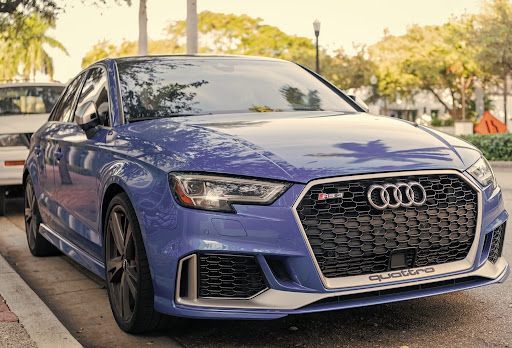
European vehicles are built differently than most cars on the road, and that difference matters the moment something goes wrong. Brands like BMW, Mercedes-Benz, Audi, Porsche, and Volkswagen use tighter engineering tolerances, proprietary software, and parts that are not interchangeable with standard domestic components. A general repair shop can often get by on guesswork with a common vehicle. That approach does not work on a European car, and it is why specialized repair exists in the first place.
What Makes European Vehicles Different From Domestic Cars?
European vehicles are engineered around performance, precision, and advanced electronics rather than simplicity or interchangeable parts. Every system, from the engine to the suspension, is built to tighter specifications than most domestic vehicles. That precision is what gives these cars their smooth handling and long-term durability, but it also means small mistakes during a repair can cause bigger problems down the road.
Take something as basic as engine tolerances. A domestic engine might allow a bit more wiggle room in how parts fit together, which makes repairs more forgiving. European automakers design engines with much tighter clearances, so a repair that is slightly off can affect performance or wear parts out faster than expected. The same is true for suspension geometry, brake systems, and electrical wiring. Nothing is designed to be "close enough."
This is one reason European Vehicle Repair requires a different mindset than working on a typical domestic vehicle. It is not just about knowing where the parts go. It is about understanding why they were placed there in the first place.
Why Do European Cars Need Specialized Diagnostic Tools?
European vehicles run proprietary onboard computer systems that a generic code reader cannot fully interpret. Each manufacturer, whether it is BMW, Audi, or Mercedes-Benz, builds its own software architecture, and reading it accurately requires dealer-level diagnostic equipment.
A basic scan tool might pull a generic code and stop there. That code often does not tell the full story. European vehicles use manufacturer-specific fault codes that reference systems most general scanners were never programmed to read. Without the right equipment, a technician is left guessing, and guessing on a luxury vehicle gets expensive fast.
Here is something most drivers do not realize: modern European vehicles often have more onboard computers than the average smartphone had processing power a decade ago. Systems for the engine, transmission, suspension, climate control, and safety features all communicate with each other. If one system throws a fault, it can trigger warnings in a completely unrelated part of the car. A technician without the proper software will chase the wrong problem, replace the wrong part, and never actually fix the issue.
This is exactly why shops that specialize in European vehicles invest heavily in the same diagnostic technology used at the dealership level. It shortens the guesswork and gets to the actual root cause the first time.
The Hidden Cost of Using the Wrong Parts
Aftermarket parts that are not built to OEM specifications can cause premature wear, voided warranties, and repeat repairs. This is one of the most overlooked issues in auto repair, and it disproportionately affects European vehicle owners because so many generic aftermarket parts exist for European makes without matching the original engineering.
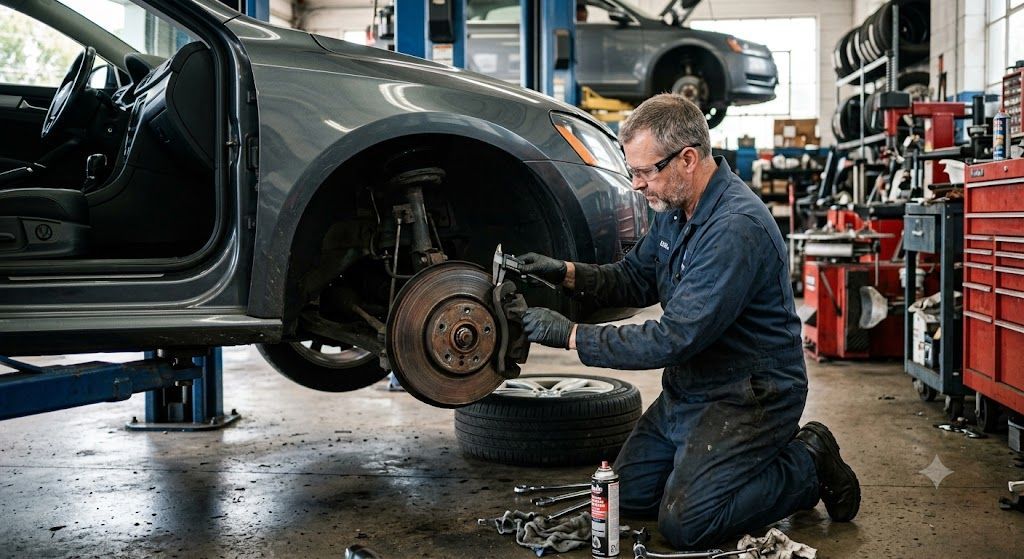
A brake pad is a good example. Two pads might look nearly identical on the shelf, but the compound, thickness, and heat tolerance can be completely different. European vehicles, especially performance-oriented ones like Porsche and BMW, generate more heat under braking than most domestic vehicles because of their weight distribution and speed capability. A pad that is not rated for that heat will wear down faster, or worse, it can affect stopping distance.
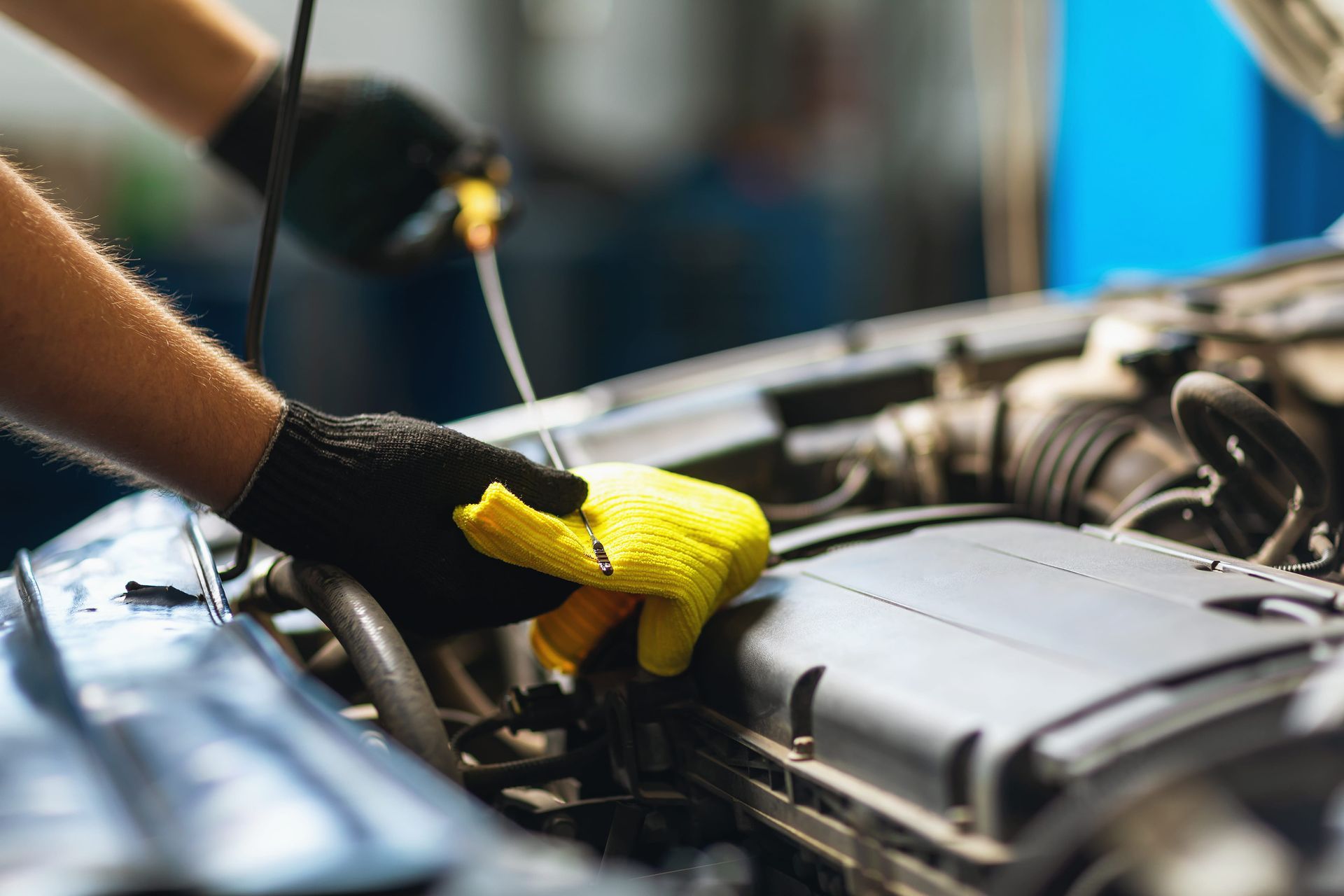
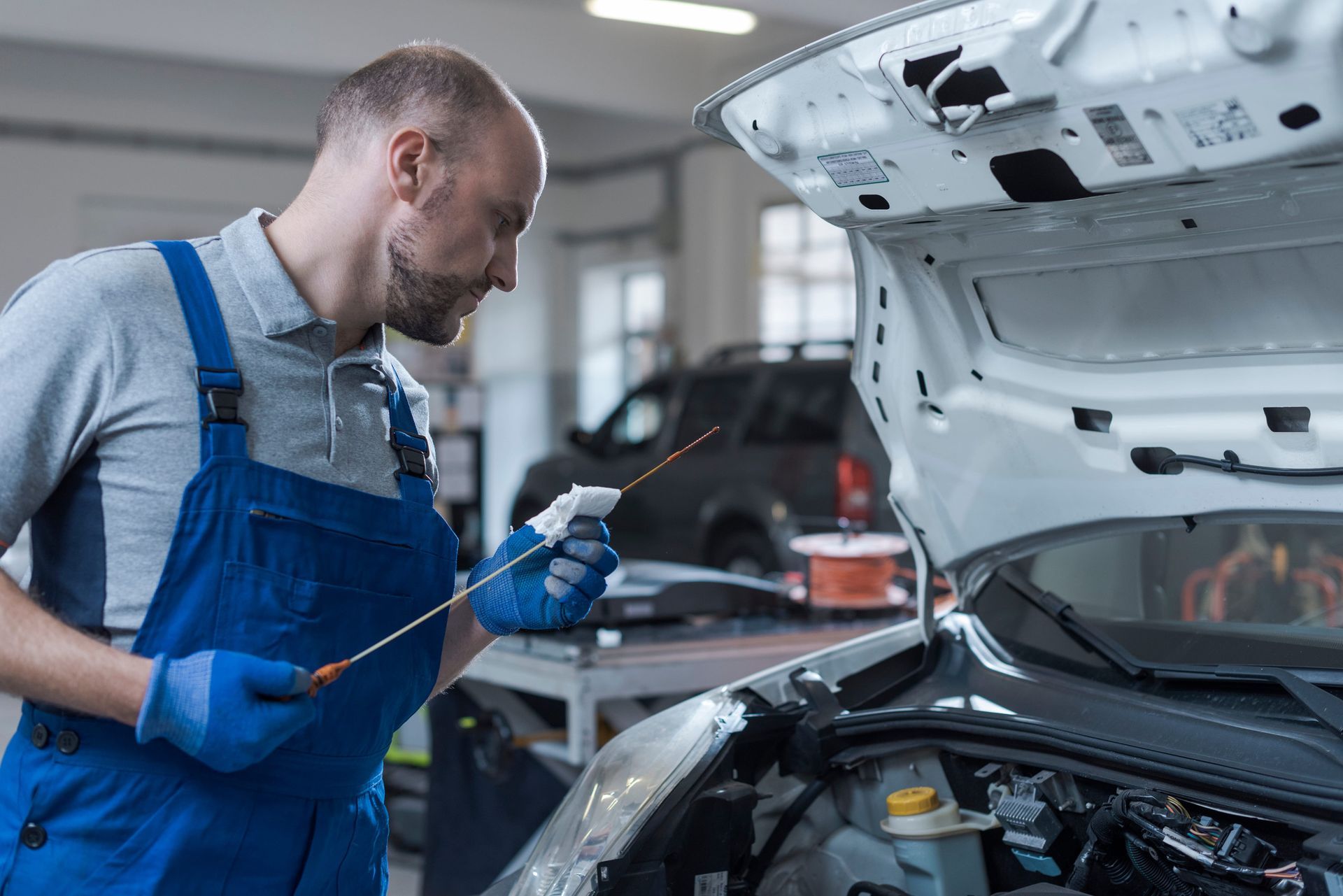
The same logic applies to fluids. European engines often require specific oil formulations that meet manufacturer approval ratings, not just a general viscosity grade. Using the wrong oil will not cause an immediate breakdown, but it will shorten engine life over time and can void the vehicle's factory protections. Oil Changes for European Vehicles are handled with this in mind, using fluids that actually match what the manufacturer specifies rather than a one-size-fits-all approach.
How Often Should European Vehicles Be Serviced?
Most European vehicles follow a factory-scheduled maintenance plan that is stricter than typical domestic service intervals. These schedules are built around the specific engineering of each model and are not something a driver should skip or stretch out to save money.
Factory scheduling exists because European manufacturers design their vehicles as complete systems, not a collection of separate parts. Skipping a scheduled service does not just delay one repair. It can throw off the timing of everything else that depends on that service being done. A missed timing belt inspection, for example, can lead to catastrophic engine damage if the belt fails while the car is running.
Vehicle Maintenance built around the manufacturer's actual schedule protects the investment a driver has made in their car. This is especially true for owners in Billings, where seasonal temperature swings put extra strain on fluids, belts, and rubber components. A car that sits through a Montana winter and then handles summer heat needs a maintenance approach that accounts for both extremes, not a generic interval pulled from a national average.
What Repairs Are Most Common on European Vehicles?
The most frequent repairs on European vehicles involve suspension components, electrical systems, and oil leaks, largely due to the complexity of these systems compared to domestic vehicles. Understanding why these three areas come up so often helps explain what makes European repair different.
Suspension systems on brands like Audi and Mercedes-Benz often use air suspension or adaptive damping, technology that adjusts ride height and stiffness automatically. These systems deliver an exceptional ride, but they also have more components that can wear out or develop leaks over time.
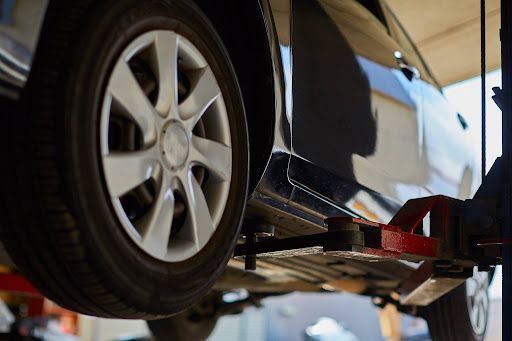
Steering and Suspension Repair on these vehicles requires familiarity with systems that a domestic-focused shop may rarely encounter.
Electrical issues are another common concern. European vehicles pack in more electronic features than most domestic cars, from adaptive lighting to advanced driver assistance systems. More electronics mean more potential points of failure, and tracing an electrical issue requires patience and the right wiring diagrams for that specific model year.
Oil leaks deserve a mention too, particularly on higher-mileage BMWs and Audis. Certain engine designs use gaskets and seals made from materials that harden and shrink over time, especially in fluctuating temperatures like those in Montana. A shop familiar with these patterns knows exactly where to check first, rather than starting from scratch on every inspection.
Why Choose a Shop That Specializes in European Vehicles?
A shop with dedicated European vehicle experience brings faster, more accurate diagnostics, correct parts, and long-term cost savings compared to a general repair shop. The value is not just in fixing what is broken today. It is in preventing avoidable problems down the road.
Technicians who work on Audi, BMW, Mercedes-Benz, Porsche, and Volkswagen vehicles every day develop pattern recognition that general technicians simply do not have the chance to build. They know which models tend to develop specific issues at certain mileage points, which parts hold up and which do not, and how to interpret a fault code correctly the first time.
There is also a trust factor that matters to owners of these vehicles. Luxury and performance cars represent a significant investment, and owners want confidence that repairs are done right, not just done quickly. Domestic Vehicle Repair is also available for drivers with a Ford, Chevrolet, GMC, Cadillac, Buick, Dodge, Chrysler, or Jeep, so households with a mixed fleet of vehicles can rely on one shop rather than splitting their maintenance between multiple locations.
Frequently Asked Questions
Is it more expensive to repair a European car than a domestic one?
Parts and labor for European vehicles can run higher than domestic models because of specialized components and diagnostic requirements. However, choosing a shop with the right experience and equipment often reduces long-term costs by preventing repeat repairs from incorrect diagnoses.
Can a general mechanic work on my BMW or Mercedes-Benz?
A general mechanic can perform basic maintenance, but complex diagnostics and repairs typically require manufacturer-specific tools and training. Without this equipment, some fault codes and system issues cannot be accurately identified.
How do I know if my European vehicle needs a specialist?
Warning signs like dashboard alerts, unusual noises, fluid leaks, or a change in handling are good indicators that a specialist should take a look. European vehicles often display early warning signals through their onboard systems, and a specialist can interpret those signals correctly.
Does regular maintenance really make a difference for European cars?
Yes, staying on the manufacturer's recommended schedule significantly reduces the risk of major repairs. These vehicles are engineered as interconnected systems, so consistent maintenance keeps every part working the way it was designed to.
What is the biggest mistake European car owners make with repairs?
The most common mistake is using generic aftermarket parts or skipping scheduled services to save money upfront. This often leads to bigger, more expensive problems later, especially with engine and suspension components.
Keeping Your European Vehicle Running the Way It Was Built To
European vehicles reward owners who take their maintenance seriously and choose repair shops that understand the engineering behind these cars. From tighter tolerances to proprietary diagnostics, every part of these vehicles is designed with precision in mind, and that precision deserves the same level of care during repairs.
Autosport Billings was built around this exact need. As a shop that focuses on both European Vehicle Repair and domestic vehicle service, we bring dealer-level diagnostic tools and manufacturer-correct parts to every repair that comes through the door. Whether it is a factory-scheduled service, a suspension issue, or a fault code that needs an accurate answer, we approach every European vehicle with the specialized attention it was engineered for. Drivers in Billings looking for dependable, knowledgeable service can request an appointment and experience the difference that specialized care makes.