Brake Warning Signs: Squeaking, Grinding & Soft Pedal
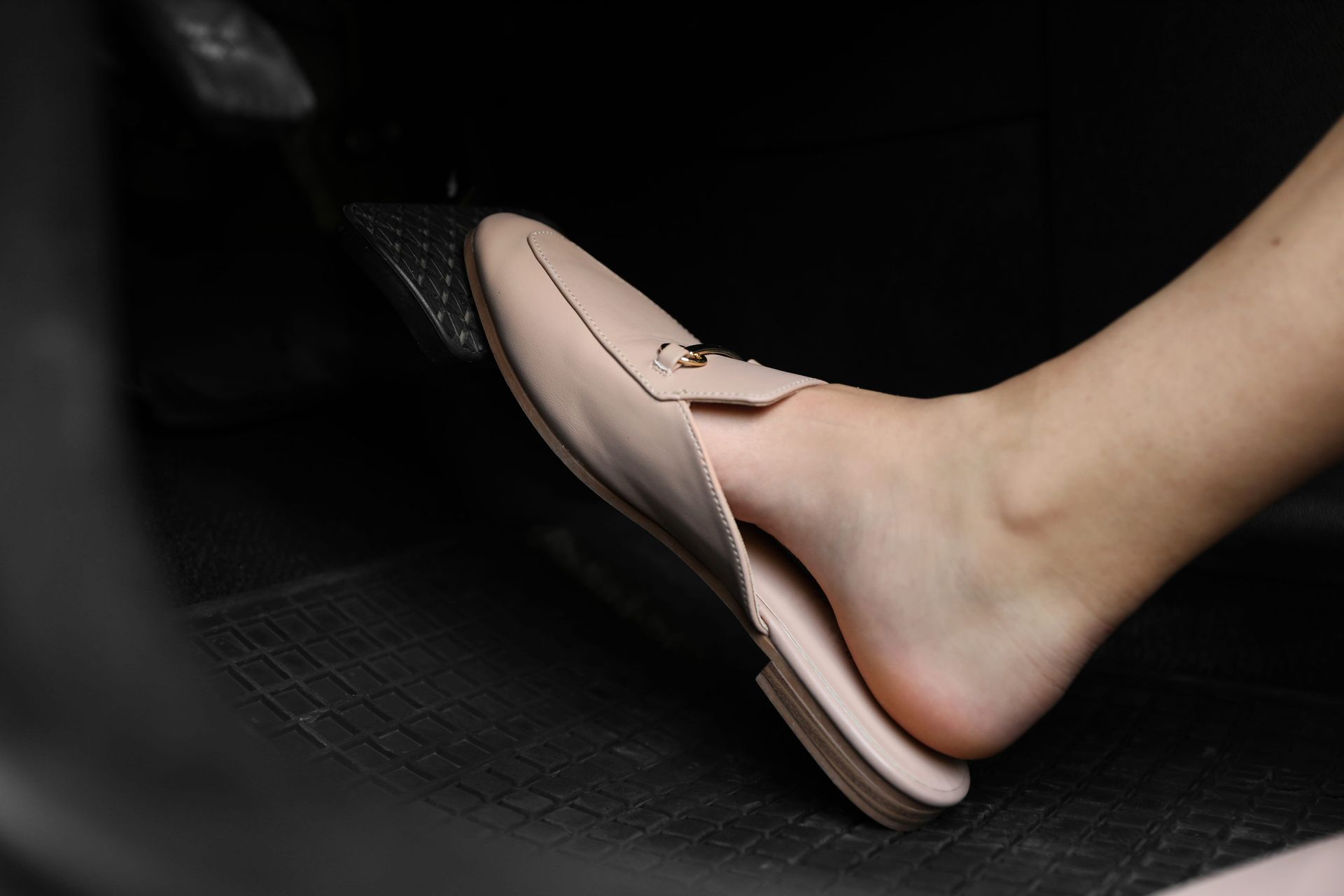
Brakes rarely fail without warning. Most of the time, they send clear signals long before a real problem develops, whether that is a squeak, a grinding noise, or a pedal that feels different under your foot. Learning to recognize these signals early is one of the simplest ways to stay safe on the road and avoid a repair bill that grows larger the longer it gets ignored.
Why Do Brakes Make Noise Before They Fail?
Brakes make noise before failing because most brake pads are designed with a built-in wear indicator that creates sound on purpose. A small metal tab is placed on the pad, and when the pad wears down to a certain thickness, that tab makes contact with the rotor and produces a high-pitched squeal. This is not a malfunction. It is the system doing exactly what it was engineered to do.
This built-in warning exists because brake pad wear is gradual and hard to notice just by looking at the pedal. Without a physical signal like this, a driver could easily go months without realizing the pads were getting thin. The squeal is meant to catch attention early, while there is still plenty of time to schedule a repair before the problem becomes serious.
Not all brake noise comes from this indicator, though. Rust that builds up on rotors overnight, especially after rain or during Montana's colder months, can cause a brief squeak during the first few stops of the day. That kind of noise usually fades quickly and is not something to worry about. The difference is persistence. A noise that goes away after a few stops is normal. A noise that continues every time you brake is not.
What Does Grinding When Braking Actually Mean?
Grinding when braking almost always means the brake pads have worn down completely, leaving metal to make direct contact with the rotor. Unlike the high-pitched squeal from a wear indicator, grinding is a much more serious sound, and it usually means the pads are already past the point where a simple pad replacement will fix everything.
Here is something many drivers do not realize. Once the pad material is gone and metal is grinding against metal, the rotor itself starts to wear unevenly. This can create grooves or a warped surface, which affects how smoothly the vehicle stops. What could have been a routine pad replacement often turns into a pad and rotor replacement, simply because the warning signs were missed for too long.
Grinding is also harder on other components than most drivers expect. The extra friction generates more heat than the brake system is designed to handle, which can affect the caliper and even the brake fluid over time. Brake Repair at this stage typically involves a more thorough inspection, since one worn component often puts stress on the parts around it.
Why Does the Brake Pedal Feel Soft or Spongy?
A soft or spongy brake pedal usually points to air or moisture in the brake lines, which prevents the system from building the pressure needed for a firm, responsive stop. Brakes rely on hydraulic pressure to work, and that pressure depends on the brake fluid being free of air bubbles and contamination.
Brake fluid is hygroscopic, meaning it absorbs moisture from the air over time, even in a sealed system. As moisture builds up, it lowers the fluid's boiling point and can create small air pockets during heavy braking. Since air compresses much more easily than fluid, this makes the pedal feel soft or slow to respond, especially when pressed firmly.
A spongy pedal can also point to a leak somewhere in the brake lines or at a caliper. Even a small leak reduces the fluid available to build pressure, which has the same soft, sinking feeling as air in the lines. This is one of those issues that can feel minor at first but should never be ignored, since a pedal that gradually loses firmness can eventually lead to a much longer stopping distance than expected.
What Causes Vibration or Pulsation When Braking?
Vibration or pulsation when braking is typically caused by warped rotors, which create an uneven surface that the brake pads grip inconsistently as they rotate. This uneven contact is what a driver feels as a pulsing sensation through the pedal or even through the steering wheel.
Rotors warp for a few common reasons. Repeated heavy braking, like frequent stop and go traffic or aggressive downhill driving, generates intense heat that can cause the metal to expand unevenly. Over time, this uneven expansion and cooling creates high and low spots on the rotor surface. Extended parking with the brakes engaged for long periods can also contribute, since one section of the rotor stays in contact with the pad longer than the rest.
Vibration is worth taking seriously because it often gets worse gradually rather than appearing suddenly. A slight pulsation at highway speeds can eventually become noticeable during normal city driving as the rotor surface continues to wear unevenly. Catching this early, through Vehicle Maintenance that includes routine brake inspections, often means the rotors can be resurfaced rather than fully replaced.
Why Does Stopping Distance Increase Over Time?
Stopping distance increases gradually as brake pads wear thin, brake fluid degrades, or rotors develop surface issues that reduce overall braking efficiency. This change happens slowly enough that most drivers do not notice it day to day, since they adjust their driving habits without realizing it.
This is one of the more overlooked warning signs because there is no obvious noise or feeling tied to it. A driver simply starts leaving a little more space between vehicles or braking a bit earlier without consciously thinking about why. By the time stopping distance becomes noticeably longer, the brake system has often been losing efficiency for weeks or months.
Weather adds another layer to this in a place like Billings. Wet roads, ice, or early snow already increase stopping distance under normal conditions. Combine that with brakes that are already compromised, and the difference in stopping distance becomes even more significant. This is exactly why routine brake inspections matter, even when nothing feels obviously wrong yet.
When Should the Brake Warning Light Be Taken Seriously?
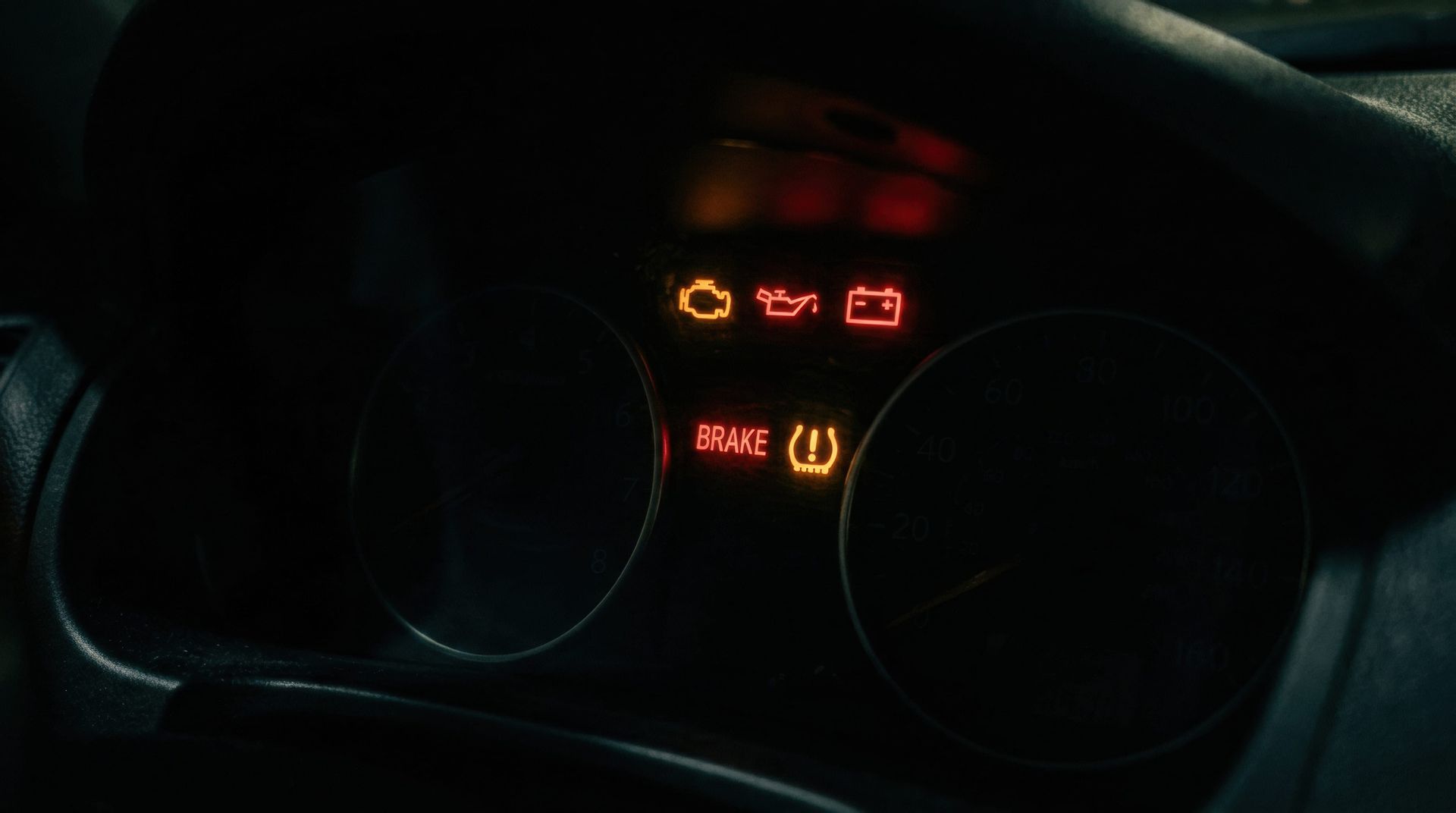
The brake warning light should always be taken seriously, since it can indicate anything from low brake fluid to a more significant issue within the braking system itself. Unlike a check engine light, which can sometimes point to a minor sensor issue, a brake warning light is tied directly to the system responsible for stopping the vehicle safely.
In many vehicles, this light comes on for something as simple as low brake fluid, which can be caused by worn pads taking up more fluid volume in the system or a small leak that needs attention. In other cases, it can indicate a problem with the ABS system, which plays a major role in maintaining control during hard braking, particularly on wet or icy roads common throughout Montana winters.
The mistake many drivers make is assuming the light will turn off on its own or waiting to see if it happens again before getting it checked. Brake systems are one area where waiting rarely pays off, since small issues in this system tend to affect safety directly rather than just comfort or convenience.
Frequently Asked Questions
Is it safe to keep driving with squeaky brakes?
Driving with squeaky brakes is generally safe for a short period, since the squeal is usually just a wear indicator letting you know the pads are getting thin. However, waiting too long can allow the pads to wear down completely, leading to grinding and more expensive repairs.
How long can you drive with grinding brakes?
Driving with grinding brakes should be avoided as much as possible, since it means metal is already making contact with metal. Continuing to drive this way can quickly damage the rotors and reduce overall stopping power, so it is best addressed as soon as possible.
Can a soft brake pedal fix itself?
A soft brake pedal will not fix itself and typically points to air, moisture, or a leak in the brake lines. This issue tends to get worse gradually, so it is worth having it checked rather than waiting to see if it improves.
Does brake vibration always mean the rotors need to be replaced?
Not always. In many cases, rotors with early signs of warping can be resurfaced rather than replaced, especially if the issue is caught before it becomes severe. Waiting too long, though, often makes replacement the only option.
How often should brakes be inspected even without noticeable symptoms?
Brakes should be inspected as part of routine maintenance, generally at every oil change or factory scheduled service. Catching wear before symptoms appear is one of the easiest ways to avoid a larger repair down the road.
Listening to What Your Brakes Are Telling You
Every squeak, grind, vibration, or change in pedal feel is the brake system communicating something specific. Learning to recognize these signals, rather than waiting for a light to turn on or a noise to become impossible to ignore, is one of the most effective ways to keep a vehicle safe and avoid larger repair costs down the road.
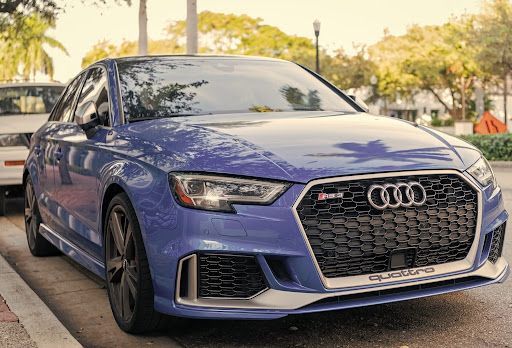
Autosport Billings takes these warning signs seriously for every vehicle that comes through the door, whether it is a European model like an Audi or BMW or a domestic vehicle. Our approach to Brake Repair focuses on identifying the actual cause behind a symptom, not just replacing parts without understanding why they wore out in the first place. Drivers throughout Billings dealing with any of these warning signs can request an appointment and get a clear answer on what their brakes actually need.